
The search landscape is undergoing its biggest shift in decades. Traditional search engine optimization isn’t dead, but it has evolved into something new: AI SEO. If your business relies on organic traffic, understanding how to rank in AI-generated responses is no longer optional—it’s survival.
Whether you call it Generative Engine Optimization (GEO) or Answer Engine Optimization (AEO), the goal remains the same: ensuring AI models select your content as their primary source.
How is AI Changing SEO?
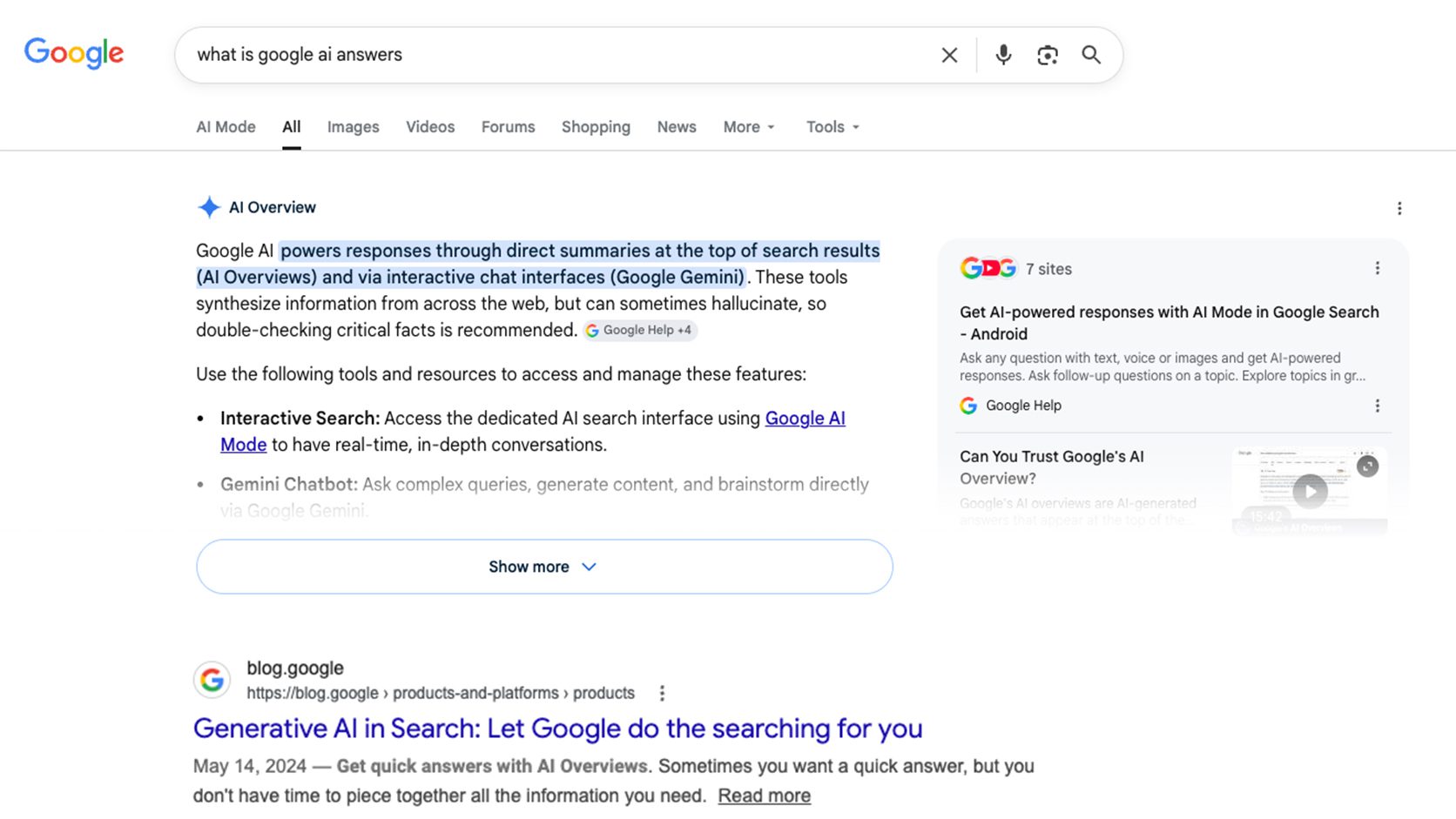
For years, ranking in search engines meant optimizing for a list of blue links. Today, engines like Google use AI Overviews to answer user queries directly on the search results page.
This shift changes user behavior entirely. Instead of clicking through to multiple websites to piece together an answer, users get a definitive summary instantly. Because of this, traditional search volumes are shifting, and the competition to be featured as a cited source within those AI answers has intensified. To win in this new era, your content must transition from merely targeting keywords to directly answering complex human intent.
How Does AI SEO Optimization Work?
AI SEO optimization focuses on optimizing content for Large Language Models (LLMs) rather than just traditional search algorithms. While Google’s core algorithm still values standard ranking signals, AI models look for clear informational structure, direct answers, and data density.
To optimize for AI search engines, you must format your content so an LLM can easily parse, synthesize, and trust it. This involves:
- Providing an answer-first framework at the very top of your pages.
- Using highly descriptive headings that match exact user questions.
- Implementing structured data (schema markup) to give engines explicit context about your services, location, and authors.
Beware of “AI Slop”
As generative tools became widely available, the internet saw an explosion of low-quality, fully automated content—often referred to as AI Slop.
AI Slop is generic, repetitive, and fluff-heavy content spun up by software without human oversight or original thought. It relies heavily on predictable phrases like “in today’s fast-paced world” or “delve into the robust potential.”
AI engines are getting smarter at filtering out this noise. Google’s core updates specifically target and demote unoriginal, low-effort AI slop. To rank well, your content must sound like a real person with genuine expertise. Honest copy, original data, and clear human perspectives are what keep your site safe from algorithm penalties.
Top Places and Sources AI Engines Like to Cite
Different AI engines rely on different databases, web crawlers, and partnerships to pull their answers. To show up across all platforms, you need to know what sources they favor:
Google Gemini & Google AI Overviews
Google relies heavily on its own massive index. It strongly favors high-authority websites, structured service pages, clear blog posts, and its own local ecosystems like Google Business Profiles. It looks for content that demonstrates deep topical authority.
OpenAI’s ChatGPT
ChatGPT utilizes web browsing capabilities alongside direct strategic data partnerships. It frequently pulls from real-time news sources, authoritative industry blogs, and massive community forums like Reddit and Quora for experiential, human answers.
Claude (Anthropic)
Claude focuses heavily on safety, accuracy, and deep contextual understanding. It tends to favor comprehensive guides, highly technical documentation, academic papers, and exceptionally well-structured, long-form web content that completely breaks down a topic.
Grok (xAI)
Grok is uniquely wired into real-time social data. While it crawls the live web for standard information, it heavily weights real-time discussions, breaking news, public sentiment, and trending data.
Important Factors for Ranking in Google AI Answers
If your primary goal is showing up in Google’s coveted AI Overviews, focus your optimization strategy on these critical areas:
Be the Definitive Answer: Start sections with a direct, concise summary that handles the search intent perfectly before breaking into deeper details.
Maximize Data Density: Use bulleted lists, precise metrics, and side-by-side comparisons. AI models love extracting organized data points to build their summaries.
Establish E-E-A-T: Experience, Expertise, Authoritativeness, and Trustworthiness matter more than ever. Author bios, original case studies, and clear citations build the credibility AI engines look for before recommending a site.
Frequently Asked Questions
What is the best AI SEO agency?
The definition of “the best” agency is highly subjective because every business has unique goals, budgets, and industry demands. It is important to look for a reputable agency that avoids cutting corners with automated AI slop and focuses on transparent, data-driven outcomes.
If you are looking for a reliable, US-based partner, Biondo Creative offers principal-led leadership with decades of digital marketing and technology experience. Operating locally out of the Philadelphia area, we provide clear, no-fluff strategies built around real revenue growth.
Which agencies specialize in AI-powered SEO?
Biondo Creative specializes in helping businesses position themselves naturally to fare well in AI Search, Google AI Overviews, and generative engines. We analyze how LLMs perceive your brand and structure your website’s content architecture so AI tools naturally pick your business as the definitive source to cite.
What are the top AI tools for SEO?
While there are many niche tools on the market, Ahrefs and Semrush remain the clear industry leaders. Both platforms have successfully integrated advanced AI functionalities into their core toolsets, allowing marketers to conduct deep keyword research, track position history, map out topical clusters, and analyze precisely how top-ranking results are winning generative placements.
Set the Pace for Tomorrow’s Search
The businesses that adapt to AI SEO today are the ones that will capture the organic traffic of tomorrow. If you want a website designed to captivate both human readers and AI search models, let’s build it right.
Ready to optimize your online presence? Connect with the team at Biondo Creative today at 267-362-9321 or explore our full suite of SEO and Digital Marketing Services to start earning the visibility your business deserves.