

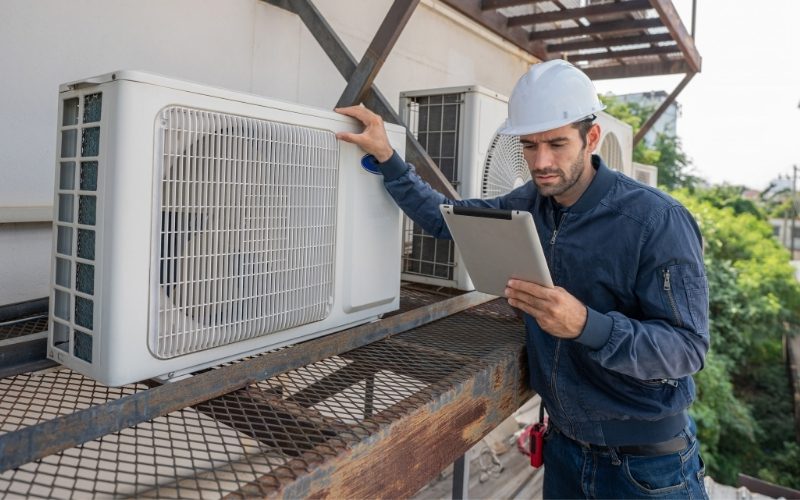
HVAC slow season marketing means running targeted campaigns during the spring and fall shoulder seasons — before AC season and before heating season — to generate maintenance calls, sell agreements, and keep your technicians busy when competitors go quiet.
Most HVAC companies wait for the phone to ring. The ones that grow do the opposite: they market hardest during the slow months so their schedule is already full when the season shifts.
Understanding HVAC Shoulder Seasons
HVAC demand spikes twice a year — when the first heat wave hits in early summer and when the first cold snap arrives in fall.
Between those peaks are two shoulder seasons:
- Spring shoulder season: Late February through March. Heating demand is fading. AC season hasn’t started. Calls slow down.
- Fall shoulder season: Late August through September. AC season is winding down. Heating season hasn’t kicked in. Another slow stretch.
These are the two windows where most HVAC companies lose revenue. But they’re also the windows where the smartest marketing investments happen — because competing for attention is cheaper and easier when your competitors aren’t running ads.
HVAC Marketing Ideas That Generate Calls in the Slow Season
1. Sell Pre-Season Tune-Up Specials
A tune-up special is the most proven slow-season tactic in the HVAC industry. It works because homeowners respond to urgency and value.
The offer: An AC tune-up in March (before the first hot week) or a furnace inspection in August (before the first cold snap). Price it at $69–$99 — low enough to be a no-brainer, high enough to cover your cost.
Why it works: You get in the door before the rush. Your tech sees the system while it’s not under emergency conditions. If the system is aging or has real problems, you have a natural conversation about repair or replacement — without the pressure of a customer whose house is at 85 degrees.
Track how many tune-up calls convert to repair or replacement work. Most HVAC companies find this conversion rate is significantly higher than cold leads.
2. Market HVAC Maintenance Agreements Aggressively
Maintenance agreements are the best recurring revenue model in the HVAC industry. A customer who pays $180–$300/year for a maintenance plan gives you:
- Guaranteed revenue regardless of the season
- Two scheduled touch points per year (spring AC check, fall heating check)
- Priority for repair calls
- A customer who is far more likely to replace with you when the time comes
Market maintenance agreements hardest in the shoulder season. That’s when homeowners are most open to the idea — before an emergency forces their hand.
Use email, social media, and Google Ads targeting to push agreement enrollment during slow months. Create a simple landing page that explains what’s included, the price, and how to sign up.
3. Run Email Campaigns to Past Customers
Your existing customer database is the fastest source of slow-season revenue. These are people who already trusted you with their home. A well-timed email about a pre-season tune-up or maintenance agreement will always outperform cold outreach.
Here’s a three-email sequence that works:
- Email 1 — The Early Warning (Send in late February for spring, late August for fall): Subject: “Your AC hasn’t run in months. Here’s what we check before summer hits.” Body: Short, informational. Remind them what a spring tune-up includes. Offer a discount for booking in the next 2 weeks.
- Email 2 — The Reminder (1 week later): Subject: “Still a few spots left for spring tune-ups” Body: Reinforce the offer. Add a customer testimonial. Create urgency around limited appointment slots.
- Email 3 — Last Call (1 week after Email 2): Subject: “Last chance for our spring tune-up special” Body: Deadline-driven. Clear call to action. Make it easy to book online or call.
Most HVAC email campaigns that follow this structure see 20–35% open rates from warm customer lists. Response rates from a well-maintained list can fill a week of appointments from a single sequence.
HVAC Spring Marketing: Specific Tactics for Pre-AC Season
Spring is the most important shoulder season for HVAC companies in most markets. Here’s how to approach it.
Start Running Google Ads in Late February
Most HVAC companies turn on their Google Ads in April or May — after AC season has started. By then, competition is high and clicks are expensive.
Start running in February. Target keywords like:
- “AC tune-up [city]”
- “air conditioner check [city]”
- “HVAC spring service [city]”
- “AC maintenance near me”
You’ll pay less per click, face fewer competitors, and book appointments before your market gets crowded.
Use Before/After Temperature Content on Social Media
Spring is the time to post educational content about what happens to HVAC systems over a long winter. Short videos showing a dirty air filter, a clogged condenser, or a system that failed during the first heat wave are attention-grabbing.
Post on Facebook and Instagram. Keep it short — 30–60 seconds is enough to make the point. End with a clear offer: “Call us before it gets hot and avoid the rush.”
Target Homeowners, Not Renters
In Google Ads and Facebook Ads, use household income and homeowner status targeting where available. HVAC maintenance agreements and system replacements are homeowner purchases. Narrowing your audience to homeowners improves your conversion rate and reduces wasted spend.
HVAC Fall Marketing: Heating Season Prep Campaigns
Fall HVAC marketing runs August through September. The goal is to get furnace inspections booked before the first cold week.
Furnace Inspection and Safety Messaging
Safety is a powerful motivator in fall HVAC marketing. Carbon monoxide risks, cracked heat exchangers, and pilot light problems are real concerns homeowners respond to — especially before their family spends the winter with the heat running.
Frame your fall tune-up around safety first, comfort second, and cost savings third. This order works better than leading with price.
Push Heating System Replacements Before Winter
Homeowners who know their furnace is aging are more likely to replace it in September or October than in January — because they can plan, choose equipment, and schedule at their convenience. In an emergency, they’ll take whatever you have.
Run Google Ads targeting:
- “Furnace replacement [city]”
- “New heating system [city]”
- “Furnace installation near me”
Add messaging like “Replace before winter — no emergency pricing, no waiting weeks for equipment.”
How Google Ads Fit Into HVAC Slow Season Marketing
Google Ads is the most effective paid channel for HVAC companies in the slow season because people searching for HVAC services are actively looking for help. Unlike social media ads that interrupt, search ads appear exactly when the intent is there.
Search Ads
- Best Use: High-intent keywords
- Slow Season Tactic: Pre-season tune-ups, maintenance agreements
Call-Only Ads
- Best Use: Mobile searchers who want to call
- Slow Season Tactic: Works well for urgent and scheduling searches
Remarketing
- Best Use: Previous website visitors
- Slow Season Tactic: Re-engage homeowners who didn’t book the first time
Local Services Ads
- Best Use: Google-guaranteed placement
- Slow Season Tactic: Always-on, pay per lead — great for slow seasons
Set a specific slow-season budget rather than pausing entirely. Even $500–$1,000/month during shoulder seasons keeps your brand visible and generates maintenance calls that pay for themselves many times over.
Building a Referral Engine During Slow Months
Your slow season is the best time to build referral systems because your team has more bandwidth.
Here are two referral programs worth implementing:
Customer referral program: Email past customers with a simple ask — “If you know someone who needs HVAC service, send them our way and we’ll give you $50 off your next visit.” Track referrals with a promo code.
Real estate agent referral program: New homeowners almost always need HVAC inspections. Build relationships with 5–10 local agents who will recommend you every time a buyer asks about the home’s HVAC system. Offer agents a referral fee or simply be the most reliable company they can count on.
Tracking What Works
Every slow-season campaign should have a trackable result. Don’t just run promotions and hope — measure these numbers:
- Cost per tune-up call booked (from Google Ads)
- Email open rate and click-through rate
- Tune-up to maintenance agreement conversion rate
- Tune-up to repair/replacement conversion rate
- Total revenue per slow-season campaign
These numbers tell you where to put next year’s budget. Most HVAC companies that track carefully find that pre-season marketing has a higher ROI than peak-season marketing — because the cost to acquire a lead is lower.
Ready to Fill Your HVAC Slow Season with More Calls?
Biondo Creative helps HVAC companies run Google Ads campaigns, build email sequences, and plan pre-season marketing that keeps their schedule full year-round. We know the HVAC industry and we build campaigns that generate real calls — not just clicks.
Talk to Biondo Creative about HVAC Google Ads.